

Aerospace Engineering
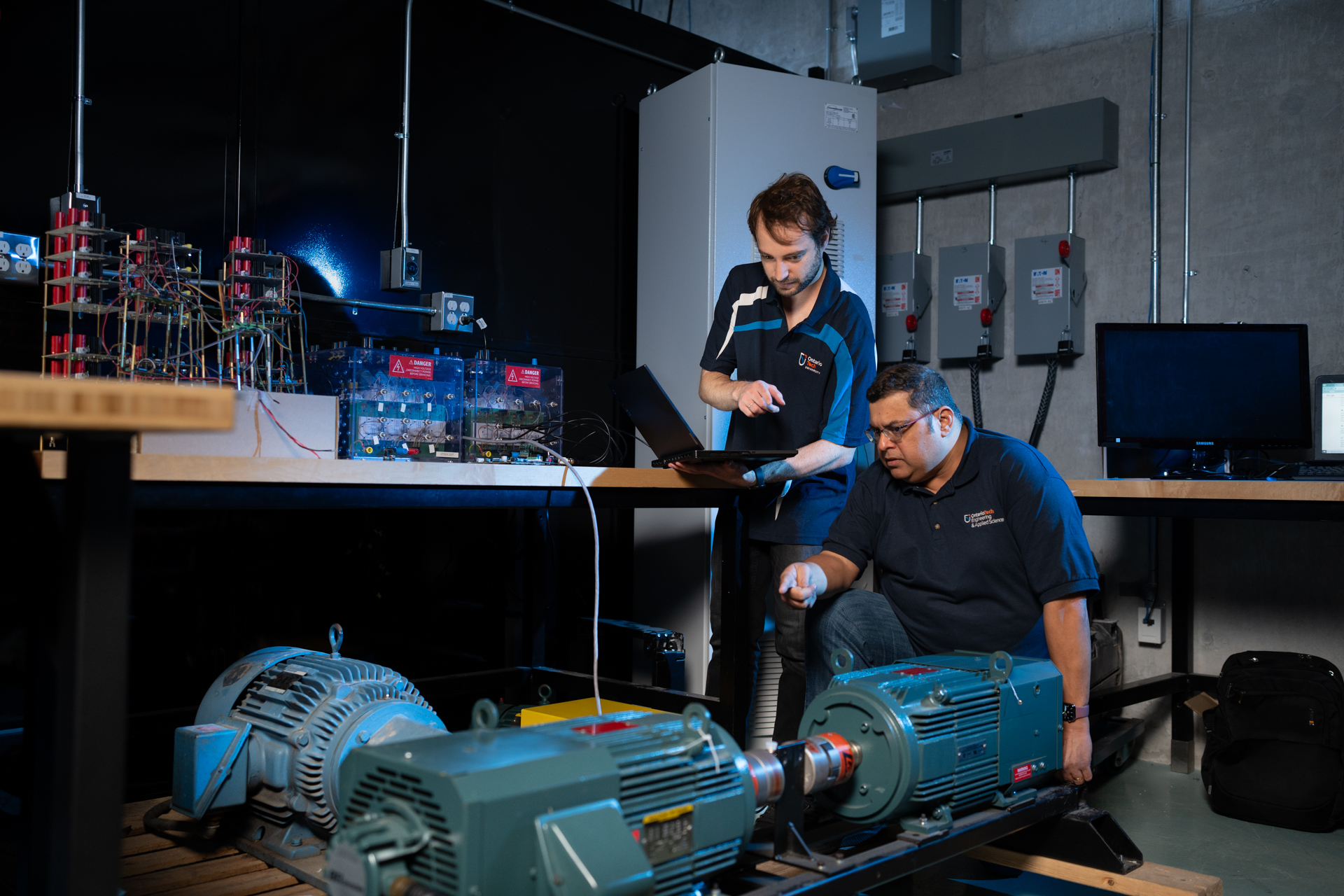 Take your Mechanical Engineering degree to new heights with the Aerospace Engineering specialization. Explore the design and performance of aircraft and spacecraft while building expertise in aerodynamics, propulsion, structures and flight dynamics using the tools and technologies shaping the future of aerospace.
The Aerospace specialization in Ontario Tech's Mechanical Engineering program gives you a solid foundation in the science and technology of flight. Developed on the principles of fluid mechanics, thermodynamics, materials and control systems, this specialization introduces the core disciplines that enable the design and operation of aircraft and spacecraft.
You will gain a deep understanding of aerodynamics, propulsion, structures and flight dynamics. These skills are essential to the development of aerospace systems. The specialization integrates theoretical learning with applied problem-solving and relevant simulation tools used in the aerospace industry.
Courses specific to this specialization
Aerodynamics and Flight Mechanics - This course introduces the fundamentals of aerodynamic theory and flight-mechanics principles for fixed-wing aircraft (and optionally some UAVs). You will study inviscid and viscous external flows, aerodynamic forces and moments, wing and body aerodynamics, performance, stability, and basic flight mechanics.
Aircraft Structures and Design - This course integrates structural analysis with the conceptual and detailed design of aircraft components. It covers load determination, sizing of structural elements, weight estimation, stress and fatigue analysis, composite design, and certification considerations. Students will apply both classical and modern computational methods to develop a complete aircraft structural design concept.
Aerospace Propulsion Systems - This course provides a detailed introduction to aerospace propulsion systems, including air-breathing engines (piston, turbojet, turbofan, ramjet, scramjet), rocket propulsion, and new propulsion technologies. Students will learn the thermodynamics and fluid mechanics of engine cycles, performance analysis, component design, and integration with the vehicle system.
Flight Dynamics and Control - This course examines the dynamic behavior of aircraft (and optionally spacecraft) in flight, including the derivation of six-degree-of-freedom equations of motion, linearization, stability, and control derivatives, and modern feedback control systems.
The Aerospace Engineering specialization can be taken in the Mechanical Engineering major.
Foundation year
All engineering students begin with a common foundation year, regardless of the program of study. During the foundation year, you will learn about the various engineering programs available.
Engineering and Management
There is a need for engineers with management skills. Complement the technical studies of your engineering program with business and management courses by pursuing the five-year Bachelor of Engineering and Management (Honours) program.
Women in Engineering
A multi-year support program to help female engineering students explore opportunities and careers, gain experience in the workforce, make a successful transition to a career in engineering and find lifelong success in a professional engineering career. View more information about our Women in Engineering program.
Learning environment
Students have access to new, modern buildings, libraries and innovative labs, including:
- ACE Facilities
- Energy Systems and Nuclear Science Research Centre (ERC)
- Electric Machines, Microwave and Communication Systems Lab
- Jeffery Boyce Engineering Innovation and Design Studio
- Ontario Power Generation (OPG) Engineering Building
- Software and Informatics Research Center (SIR)
Direct-entry co-op program
This program has a direct-entry co-op option that you can apply for directly on your Ontario Universities Application Centre (OUAC) application.
Our co-op positions are full-time, paid employment opportunities providing students with a steady income stream throughout their studies.
Learn more about how you can launch your career before you graduate with paid co-op.
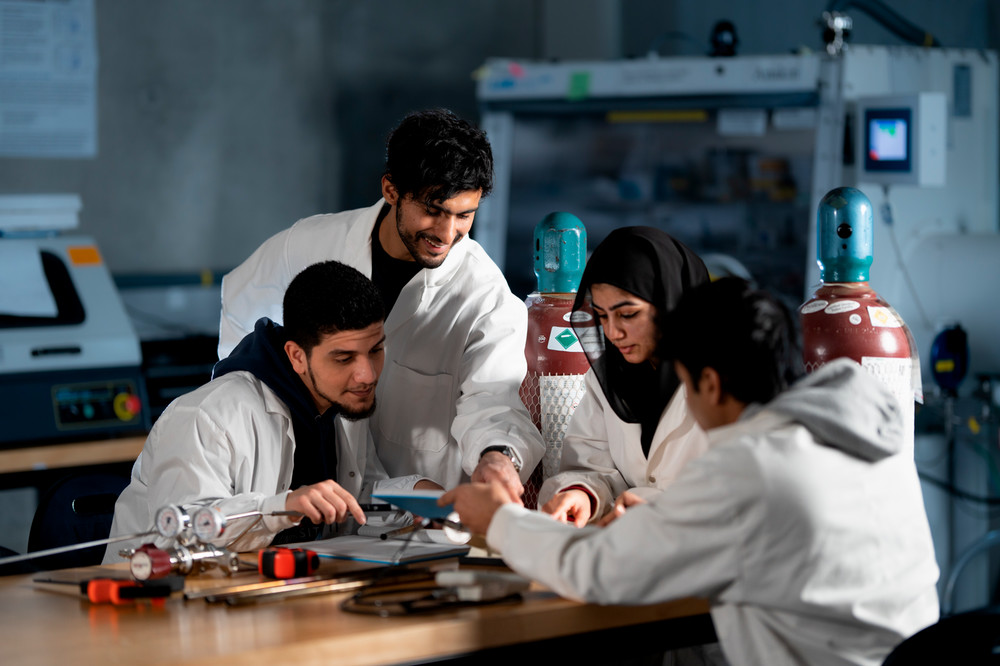
"I’ve really enjoyed the unique, hands-on labs that set the Mechanical Engineering program apart. As an accredited program, it’s preparing me to become a professional engineer, and the practical experience has made all the difference. With the academic support I’ve received and the many workshops I’ve attended, I feel career-ready and well-supported by the professors and staff at Ontario Tech." Julia Bou-Chamoun Bachelor of Engineering (Honours) 2024
Admissions
Admissions
Current Ontario secondary school students must complete the Ontario Secondary School Diploma (OSSD) with six 4U or 4M credits including English (ENG4U) with a minimum average of 60 per cent, Advanced Functions (MHF4U), Calculus and Vectors (MCV4U), Chemistry (SCH4U) and Physics (SPH4U). In addition, a combined minimum 70 per cent average in prerequisite math and science courses is required, with no grade below 60 per cent.
Note: Admission is competitive. The specific average or standing required for admission varies from year to year. Students are selected by taking into consideration a wide range of criteria including school marks, distribution of subjects taken, and performance in subjects relevant to the academic program. Possession of the minimum requirements does not guarantee acceptance. Preference will be given to applicants with the best qualifications.
| Last year's cut-off | 70 per cent |
|---|---|
| Expected cut-off | Mid-70s |
The application process and important dates/deadlines are outlined on our admissions website:
• Ontario secondary school applicants
• Ontario secondary school graduates
• Canadian out-of-province high school applicants
• International applicants
• Mature applicants (over 21 and never attended post-secondary)
• Transfer applicants
• General Arts and Science (GAS) applicants
• Home-schooled applicants
Experiential learning
The Faculty of Engineering and Applied Science offers engineering internship and co-op work terms to provide students with the opportunity of gaining meaningful engineering experience and exploring possible careers.
Did you know?
-
Sample courses
- Loading...
- Loading...
- Loading...
- Loading...
- Loading...
- Loading...
- Loading...
- Loading...
- Loading...
- Loading...
- Loading...
- Loading...
- Loading...
- Loading...
- Loading...
- Loading...
- Loading...
- Loading...
- Loading...
- Loading...
- Loading...
- Loading...
- Loading...
- Loading...
- Loading...
- Loading...
- Loading...
- Loading...
- Loading...
- Loading...
- Loading...
- Loading...
- Loading...
- Loading...
- Loading...
- Loading...
- Loading...
- Loading...
- Loading...
- Loading...
- Loading...
- Loading...
- Loading...
- Loading...
- Loading...
- Loading...
- Loading...
- Loading...
- Loading...
- Loading...
- Loading...
- Loading...
- Loading...
- Loading...
- Loading...
- Loading...
- Loading...
- Loading...
For program requirements, including required number of credits for completion, program maps and course descriptions, please see the academic calendar and course catalogue of Loading.... Courses are subject to change without notice.
You might also be interested in
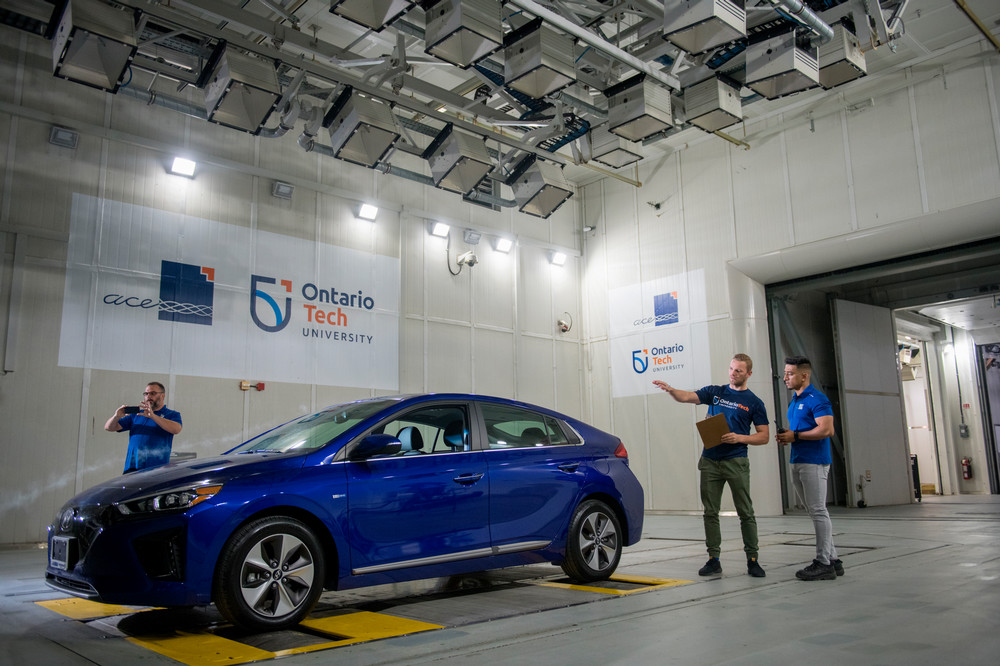
Automotive Engineering
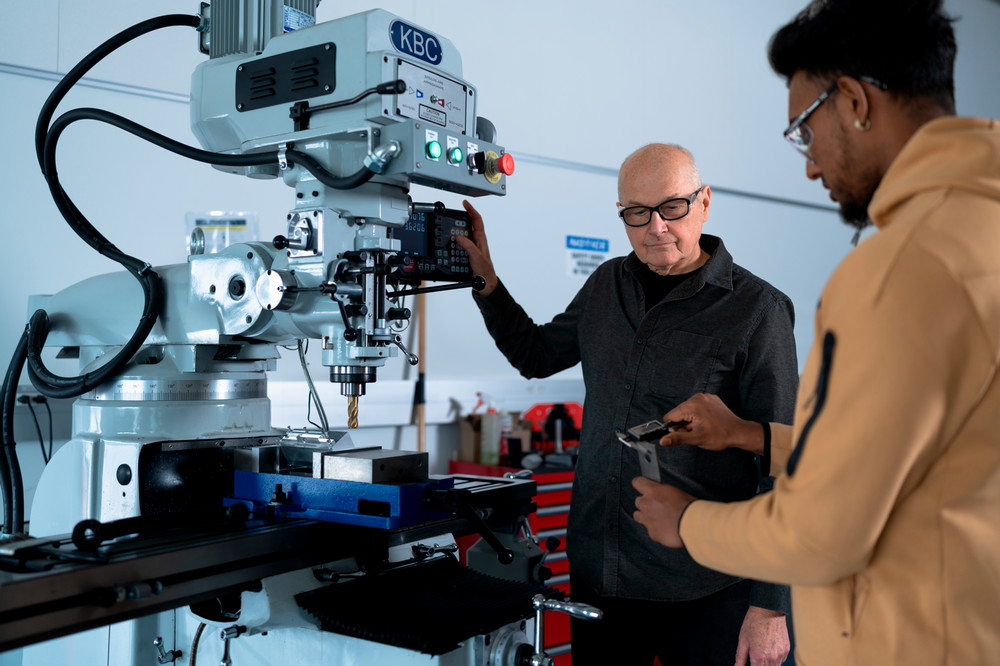
Comprehensive Engineering
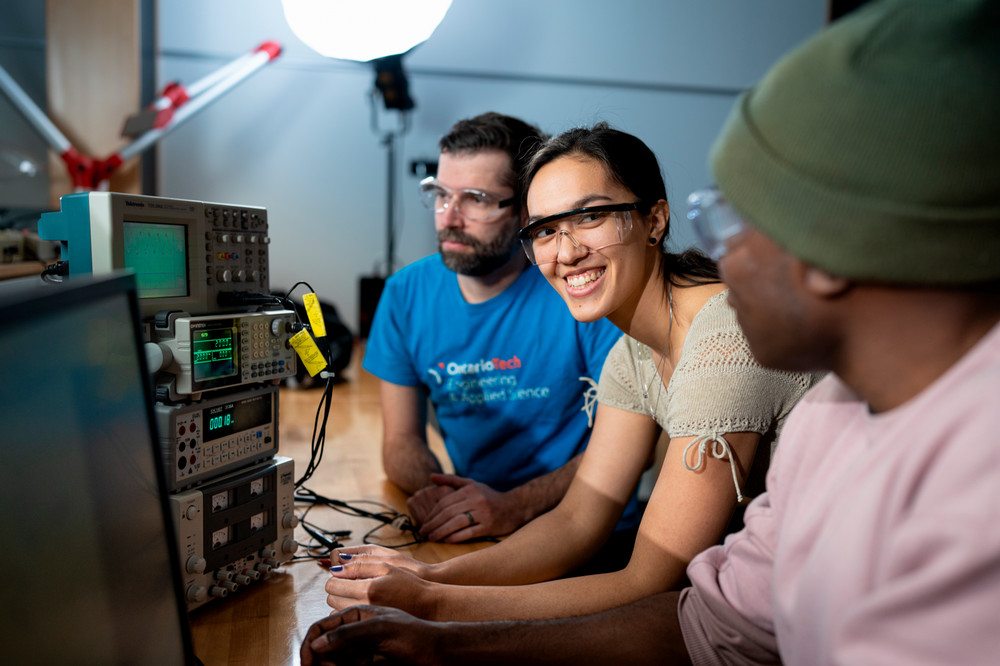
Electrical Engineering

Manufacturing Engineering

Mechatronics Engineering
Nuclear Engineering